Understanding the psychology of gambling Why we play and what drives us
The Allure of Risk and Reward
The psychology of gambling often revolves around the enticing balance of risk and reward. Players are naturally drawn to the thrill of potentially winning significant sums of money against the backdrop of what could be a modest stake. This dynamic taps into our intrinsic desire for excitement and the pursuit of wealth, creating a potent mix that is hard to resist. For those interested, the crorebet app offers a convenient way to engage with these thrilling opportunities. The anticipation of victory can produce feelings of euphoria, reinforcing the behavior and encouraging continued participation.
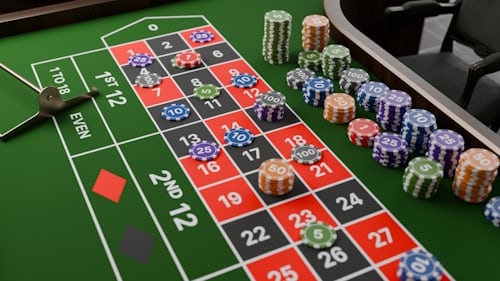
This thrill is further amplified by the unpredictable nature of gambling. Unlike traditional forms of entertainment, where outcomes are generally predictable, gambling introduces an element of chance that can heighten emotions. This unpredictable excitement can lead to heightened arousal, making individuals more likely to engage repeatedly in hopes of experiencing that rush of winning again.
The Role of Cognitive Biases
Cognitive biases play a significant role in shaping the behavior of gamblers. One notable bias is the illusion of control, where players believe they can influence outcomes in games of chance, such as dice or card games. This false sense of control can lead to increased betting as individuals feel their decisions will lead to favorable outcomes, despite the inherent randomness of these activities.
Emotional Factors in Gambling
Social Influences and Norms